By Vee Bird
Since starting work as a dyslexia assessor, it has become clear to me that a diagnosis still carries a certain amount of stigma for children in the classroom. Whilst the majority of the children that I have worked with are relieved to finally have a diagnosis and extra support put in place, some are seemingly fearful of being ‘different’. It’s not uncommon for parents to tell me that their child is too embarrassed to use a laptop in class, for example, as they are worried about what their peers will think. So, the question remains, How do we help children to feel comfortable with their diagnosis?
One of the key recommendations I include in my diagnostic reports is that schools either carry out a whole-school assembly or simply show a powerpoint presentation about dyslexia in class. An ensuing discussion could help dispel the myths surrounding learning needs and help children to feel more accepted. Many will likely identify with the discussed challenges and feel less alone. It could also create a more empathetic environment for children to grow up in!
Another key recommendation in my reports is actually for parents this time. I thoroughly recommend that they share books promoting a positive stance on dyslexia with their children. I love Kate Griggs’ ‘Xtraordinary People’ book about Dyslexic Thinking characteristics so much that I have started to give this out.

One other wonderful book written from the child’s/young person’s perspective is ‘Dyslexia Is My Superpower’ by Margaret Rooke. She has taken the time to collect the thoughts and stories of individuals with dyslexia to create an all-embracing, positive read.

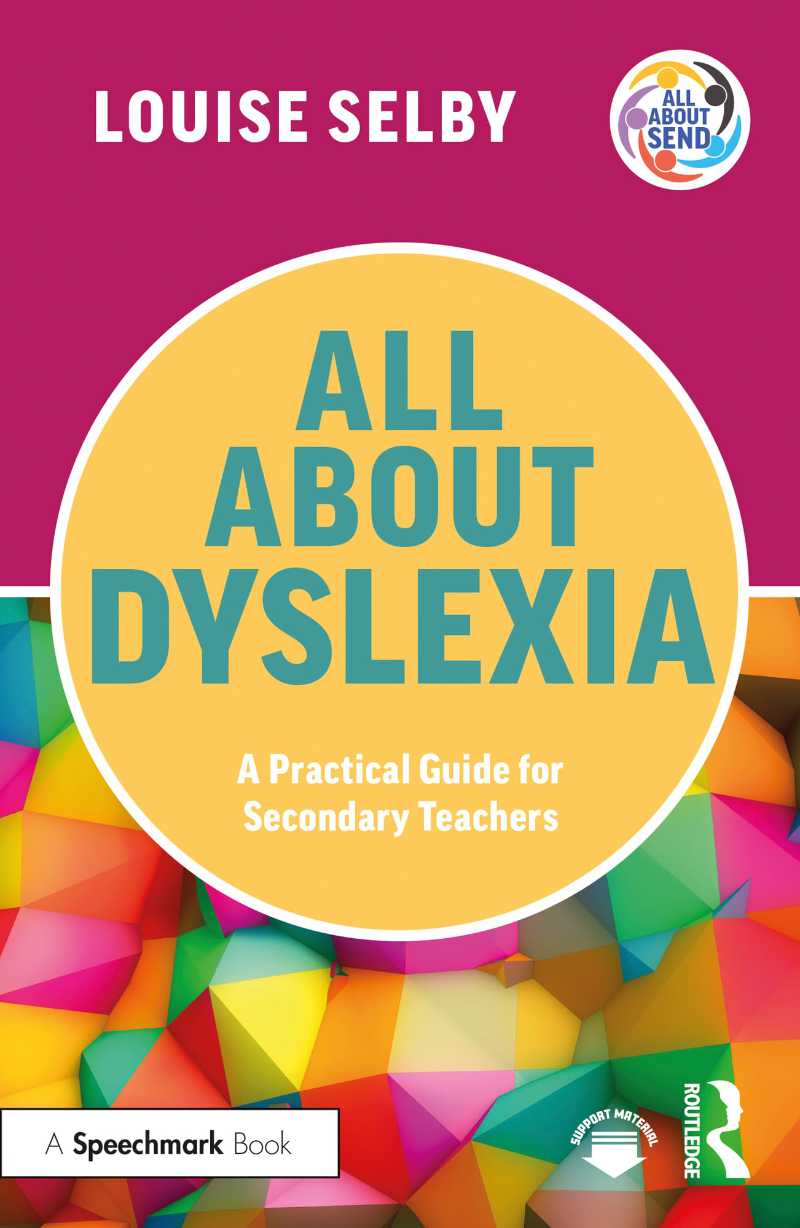
Louise Selby is also a one-woman powerhouse changing the lives of children with dyslexia. Her ‘All About Dyslexia’ books provide insightful recommendations, resources and strategies for educators working in primary and secondary schools. These books and her online courses have helped me to write impactful recommendations tailored to each individual that have been very well received.
My last, but not least, recommendation for the embracing of dyslexia is that children watch the online videos from Dyslexia Scotland. These wonderful videos mean that children can listen to other young individuals discussing their experiences of being diagnosed with dyslexia and how, in many cases, it has impacted upon their lives in a positive way.
In summary, we must empower all learners to see their strengths and use them to enhance their educational journey.
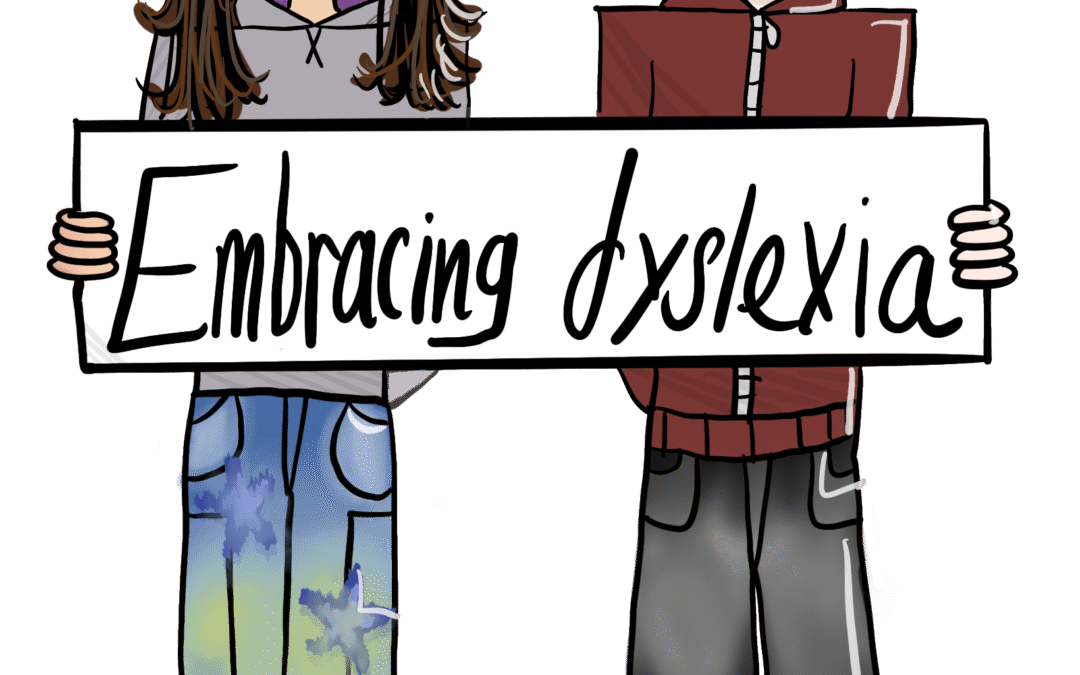
With thanks to my niece for the beautiful drawing!